
Gut Microbiome Comprehensive Analysis (Stool) in UAE
Executive Summary: A Clinical View on Gut Health in the UAE
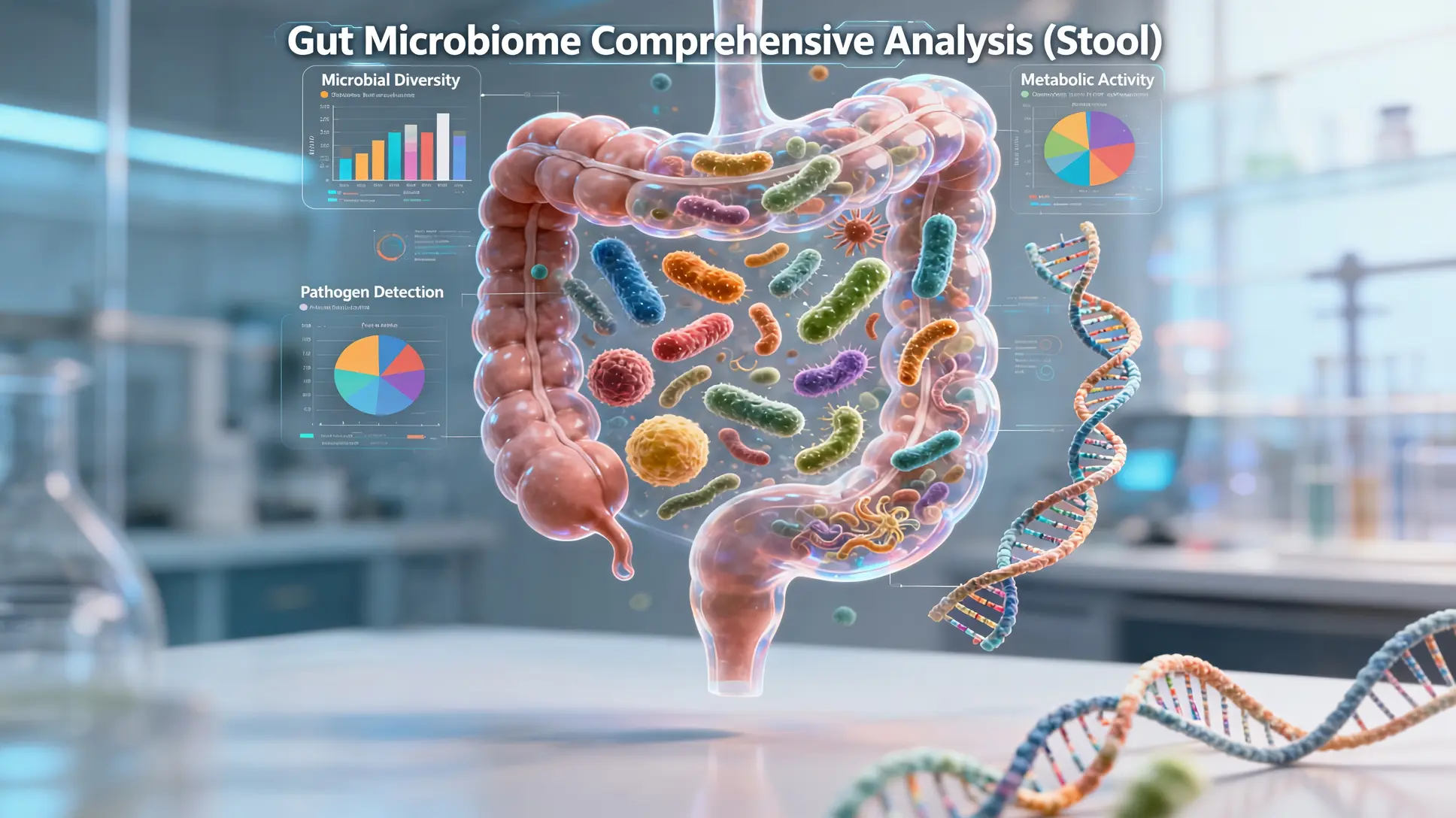
From my perspective as a Consultant Medical Geneticist practicing in Dubai, the conversation around digestive health has evolved significantly. We are moving beyond simple symptom management to understanding the root biological drivers. The gut microbiome—a complex ecosystem of trillions of bacteria—is now recognized as a central regulator of not just digestion, but immunity, metabolism, and even neurological function. This comprehensive stool analysis, utilizing advanced 16S rRNA sequencing, offers us a high-resolution map of this ecosystem, identifying specific imbalances (dysbiosis) that may be contributing to chronic conditions. In the unique environment of the UAE, where dietary habits, lifestyle factors, and genetic predispositions intersect, such detailed analysis is not a luxury but a clinical necessity for personalized, effective care.
— Ajay Singh
General Practitioner (DHA: 36234132)
Beyond Digestion: How the Gut Microbiome Shapes Your Health in the UAE
In my clinical practice across Dubai, I frequently encounter patients whose chronic fatigue, unexplained weight changes, or persistent skin issues trace back to an unexpected source: their gut. The trillions of microorganisms residing in our intestinal tract do far more than digest food. They form a complex biological system that communicates directly with the immune system, influences metabolism, and even produces neurotransmitters that affect mood and cognition. The gut microbiome is, in essence, a virtual organ with a profound impact on overall systemic health.
The Biology of the Microbiome: More Than Just Digestion
To understand the clinical significance, we must look at the mechanisms. The gut microbiome contributes to health through several key biological pathways:
- Metabolic Regulation: Gut bacteria produce short-chain fatty acids (SCFAs) like butyrate from dietary fiber. These SCFAs serve as a primary energy source for colon cells, regulate blood sugar, and influence fat storage. Dysbiosis—an imbalance in these bacterial populations—can disrupt this process, contributing to metabolic syndrome and obesity.
- Immune System Modulation: A significant portion of the body's immune cells reside in the gut-associated lymphoid tissue (GALT). The microbiome trains these cells to distinguish between harmless antigens and dangerous pathogens. An altered microbiome can lead to a state of chronic low-grade inflammation, a common thread in many autoimmune and allergic conditions.
- The Gut-Brain Axis: This is a bidirectional communication network linking the gut and the central nervous system. The microbiome influences this axis by producing neurotransmitters such as serotonin and dopamine, and by modulating the vagus nerve. This is why gastrointestinal distress can affect mood, and why mental health conditions like anxiety can manifest as digestive issues.
- Protection Against Pathogens: A healthy, diverse microbiome creates a competitive environment that prevents harmful bacteria from colonizing. This is a crucial line of defense against enteric infections, which are a significant concern in our region.
Gut Health in the UAE: Unique Environmental and Lifestyle Factors
The environment and lifestyle in the UAE present specific challenges and considerations for gut health. These factors are critical when interpreting a comprehensive stool analysis and developing a personalized plan.
Dietary Patterns & Hydration
The typical diet in the UAE, often rich in processed foods, refined sugars, and saturated fats, can promote the growth of inflammatory bacteria. Additionally, the hot climate and high consumption of sugary drinks can lead to chronic dehydration, impacting gut barrier function and mucosal health.
Antibiotic Usage & Healthcare Access
While access to healthcare is excellent, there is a high prevalence of antibiotic prescriptions. Even a single course can significantly disrupt the microbiome, reducing diversity and allowing resistant strains to flourish. This makes post-antibiotic recovery and monitoring essential.
Stress & Fast-Paced Lifestyle
The demanding, fast-paced lifestyle common in Dubai is a major contributor to stress. Chronic stress alters gut motility, increases intestinal permeability ("leaky gut"), and negatively impacts bacterial composition, perpetuating a cycle of digestive and systemic issues.
Travel & Regional Pathogens
As a global hub, residents and visitors are exposed to a wide variety of pathogens. Traveler's diarrhea and other enteric infections can cause lasting alterations to the gut microbiome, sometimes resulting in post-infectious irritable bowel syndrome (IBS).
Physician Insight
"In my years of practice in Dubai, I have seen the profound impact that a targeted, science-backed approach to gut health can have. The key is not just identifying a problem but understanding the 'why' behind it. This comprehensive stool analysis provides the granular data needed to move from a generic 'take a probiotic' recommendation to a precise, data-driven strategy. When we understand your unique microbial fingerprint, we can address the root causes of your symptoms, not just mask them. It’s about empowering you with the knowledge to take control of your health narrative."
— Ajay Singh
General Practitioner (DHA: 36234132)
The Science Behind the Test: 16S rRNA Sequencing
The Gut Microbiome Comprehensive Analysis leverages the power of Next-Generation Sequencing (NGS) to analyze the 16S rRNA gene, a specific genetic marker found in all bacteria. This methodology offers a distinct advantage over traditional stool cultures, which only detect a fraction of the bacteria that can be grown in a lab. NGS identifies both culturable and non-culturable bacteria, providing a near-complete picture of the gut's diversity and composition. It allows us to see precisely which species are present, their relative abundance, and identify any pathogenic imbalances with over 99% accuracy at the genus level.
Translating Data into Action: A Personalized Approach
The value of this analysis lies in its clinical actionability. The report provides a clear roadmap for intervention, categorized into several key areas:
- Identification of Dysbiosis: The analysis quantifies the ratio of beneficial to potentially harmful bacteria. A high dysbiosis index is a strong indicator of an unhealthy gut environment and a target for corrective therapies.
- Probiotic and Prebiotic Guidance: Based on your specific profile, the report will suggest specific strains of probiotics that are likely to be most effective. It also identifies the prebiotic fibers that can best support the growth of your beneficial bacteria, moving beyond generic recommendations.
- Dietary Recommendations: The test results can inform a highly personalized diet plan. This may involve increasing the intake of certain fibers, eliminating specific foods that promote pathogenic bacteria, or incorporating fermented foods to boost beneficial strains.
- Lifestyle Adjustments: The clinical interpretation considers the impact of stress and sleep on the microbiome, suggesting strategies to mitigate these effects. This holistic view is essential for long-term success.
Your Next Step: A Clinical Partnership
This comprehensive analysis is a powerful diagnostic tool, but it is most effective when integrated into a broader clinical partnership. The results are designed to be shared with your treating physician or a gastroenterologist who can interpret them within the context of your full medical history, lifestyle, and current symptoms. This collaborative approach ensures that any intervention—whether dietary, probiotic, or lifestyle-based—is safe, appropriate, and tailored to your specific health goals. My role is to provide you with the highest quality data and a clear clinical interpretation, empowering you and your doctor to make the most informed decisions for your health.
Commitment to Clinical Standards and Data Privacy
At DNA Labs UAE, our commitment to clinical excellence is matched by our dedication to your privacy. All testing is conducted in our ISO 15189-certified facility, adhering to the highest international standards for laboratory quality and competency. We operate under the rigorous oversight of the Dubai Health Authority (DHA) and strictly adhere to UAE Federal Decree-Law No. 45 of 2021 on Personal Data Protection. Your health data is confidential and secure, processed with the utmost discretion and respect for your rights, in full compliance with Federal Law No. 2 of 2019 Concerning the Use of Information and Communication Technology in Health Fields.
Important Safety & Clinical Guidance
- Do not discontinue prescribed medications without consulting your doctor.
- Do not collect a sample if you have active gastrointestinal bleeding, severe hemorrhoids, or are menstruating.
- If you have used antibiotics within the last 4 weeks, it is advisable to postpone the test to avoid altered results.
- Seek immediate medical attention if you experience severe abdominal pain, high fever (>38.5°C), bloody stools, or signs of sepsis.
Frequently Asked Questions (FAQs)
1. What conditions or symptoms can a comprehensive stool analysis help address?
This test is clinically useful for a wide range of chronic and acute conditions, including Irritable Bowel Syndrome (IBS), Inflammatory Bowel Disease (IBD), chronic diarrhea or constipation, unexplained bloating and abdominal pain, food intolerances, and even systemic conditions like autoimmune diseases, metabolic syndrome, and mood disorders where the gut-brain axis is implicated.
2. How should I prepare for the stool sample collection?
To ensure the most accurate results, it is recommended to discontinue antibiotics for at least 4 weeks and probiotics for 2 weeks before collection. No other dietary restrictions are required. You will be provided with a sterile collection kit and detailed, easy-to-follow instructions for home collection. The sample is then picked up and transported via our ISO-validated cold chain logistics.
3. Are the results actionable, and is a doctor's consultation necessary?
Yes, the results are highly actionable and provide a detailed report with personalized recommendations for diet, probiotics, and lifestyle. However, this is not a self-diagnosis tool. It is imperative that you discuss the report with a qualified healthcare professional, such as your GP or a gastroenterologist. A doctor's oversight is essential to ensure any intervention is clinically safe and appropriate for your overall health profile. We facilitate this by providing post-test telephonic clinical interpretation to guide your conversation with your physician.
4. What is the turnaround time for the results, and how are they delivered?
Due to the advanced nature of 16S rRNA next-generation sequencing, the turnaround time is 15 working days. This allows for the rigorous processing and analysis required to provide you with the highest quality, most reliable data. Once the analysis is complete, the comprehensive report is securely delivered to you, and a clinical interpretation is provided.
Interested in learning more about how a comprehensive gut analysis can help you?
Understanding your gut microbiome is the first step toward personalized, proactive health management.
Learn More About This TestMedically Reviewed by Dr. Lina Osama Zaki Quteineh
DHA Licensed in Clinical Medicine
All content on DNA Labs UAE is reviewed by qualified medical professionals to ensure accuracy and compliance with clinical guidelines.
⚕️ Medical Disclaimer
This article is for informational purposes only and does not constitute medical advice. Always consult with a qualified healthcare professional for diagnosis and treatment.
Found this helpful? Book a test or consult our team.